
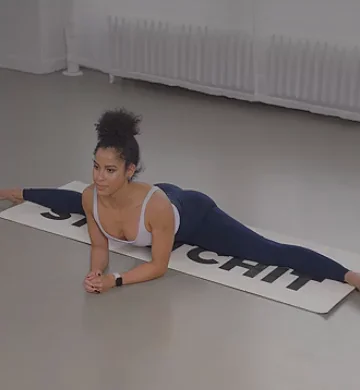
Sessions for All Levels
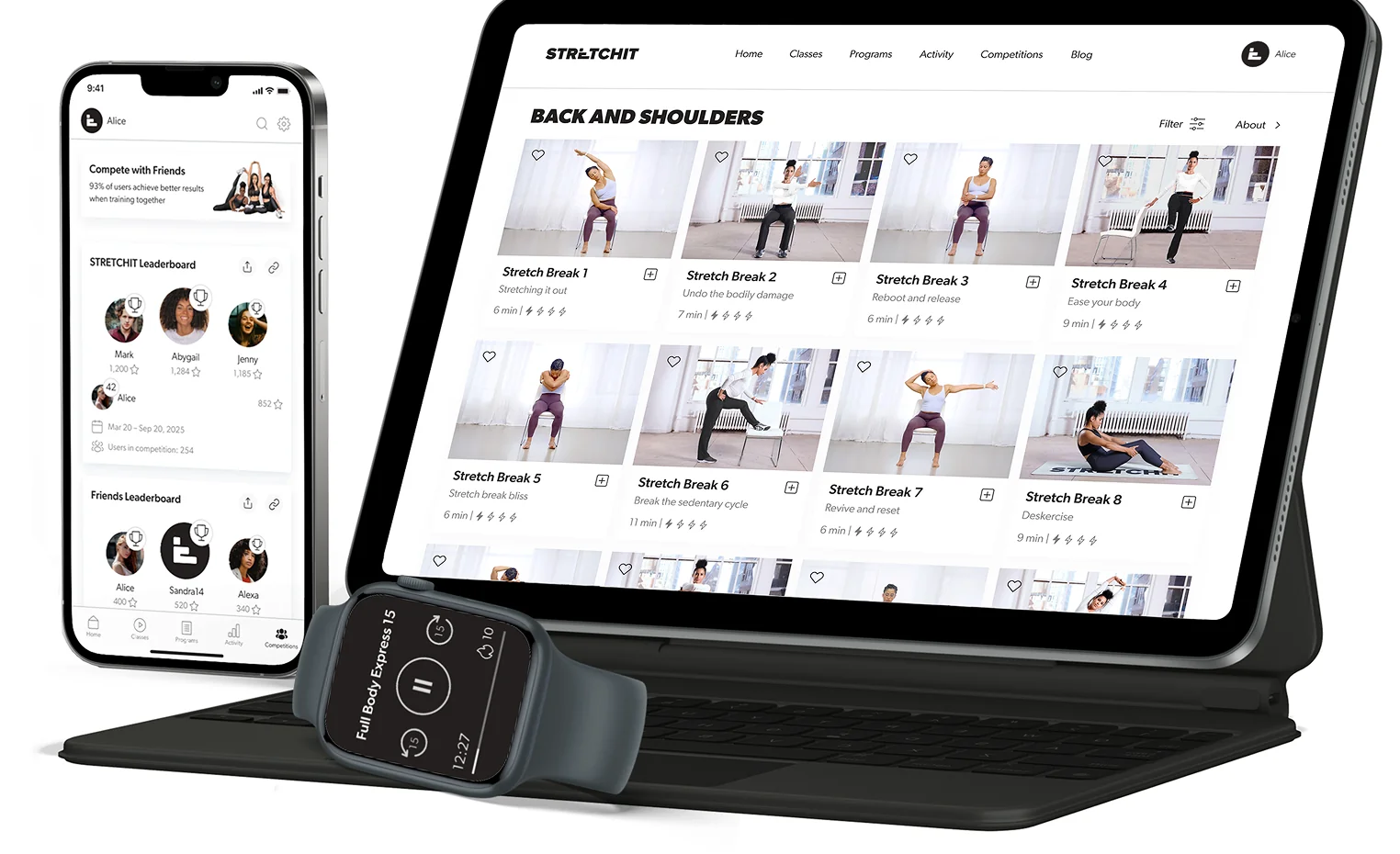
Our video classes range from absolute beginner level to very challenging. To keep it exciting we release new workouts weekly.

Our video classes range from absolute beginner level to very challenging. To keep it exciting we release new workouts weekly.
Whether you need to master the splits and deep backbends or just want to feel and sleep better, STRETCHIT has got you covered!
Join global competitions or create your own with friends or colleagues. Track your progress on the leaderboard and earn serious bragging rights.
Personal training recommendations to help you finally make stretching a habit and reach your movement potential.
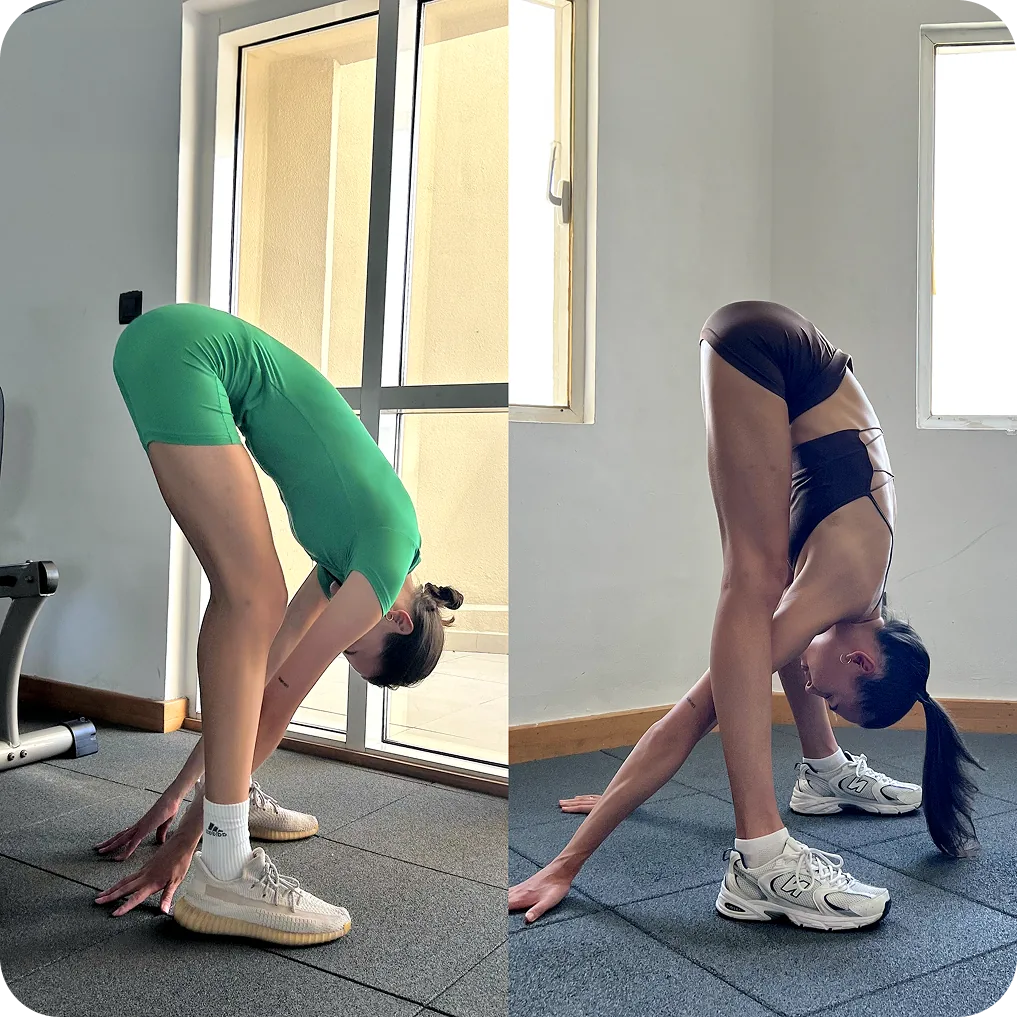
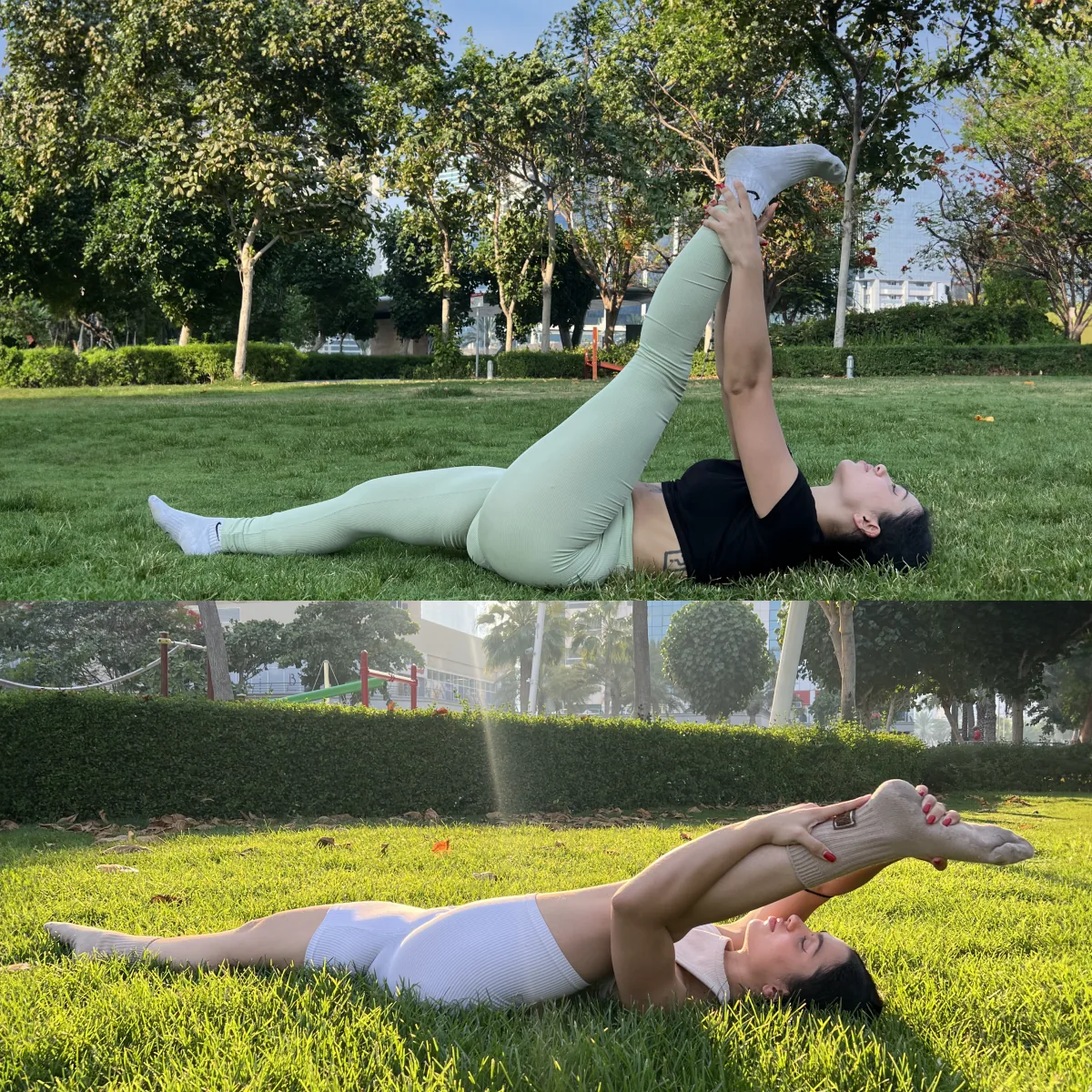
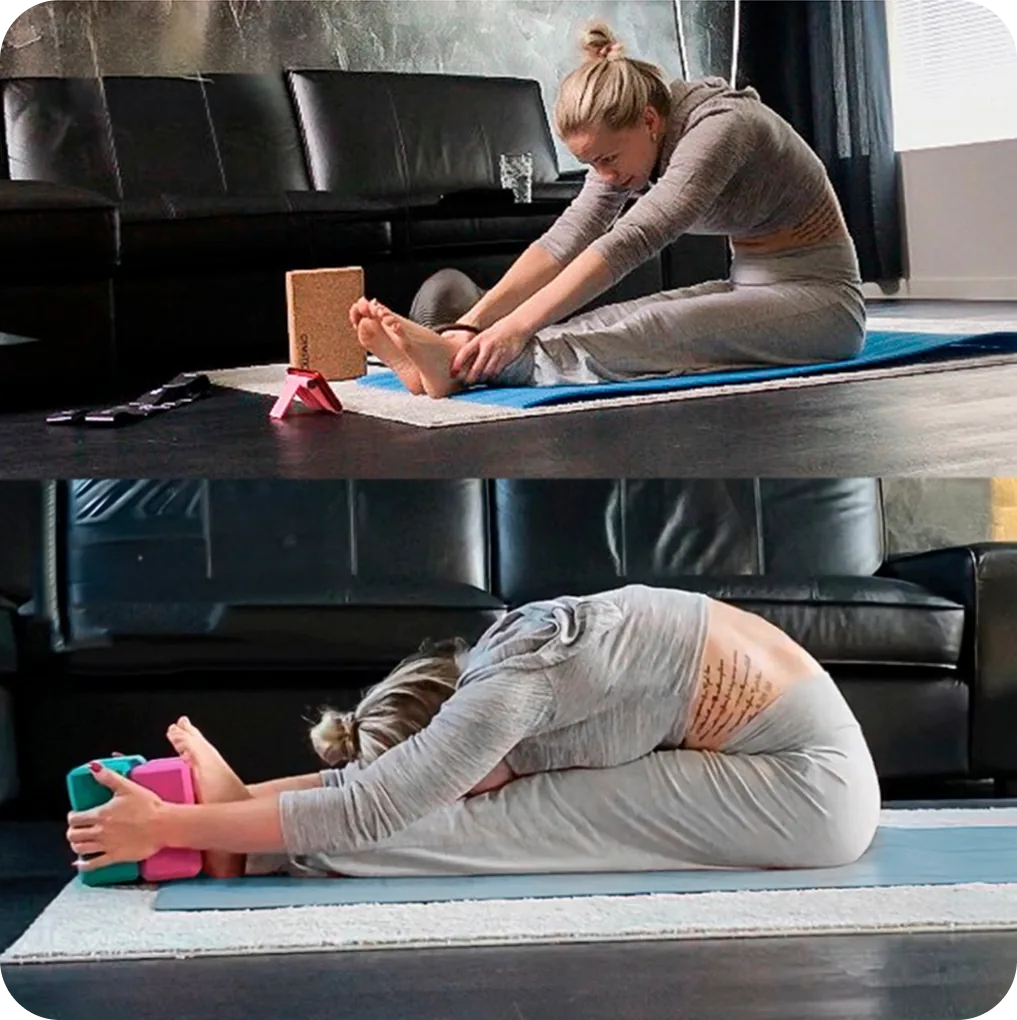
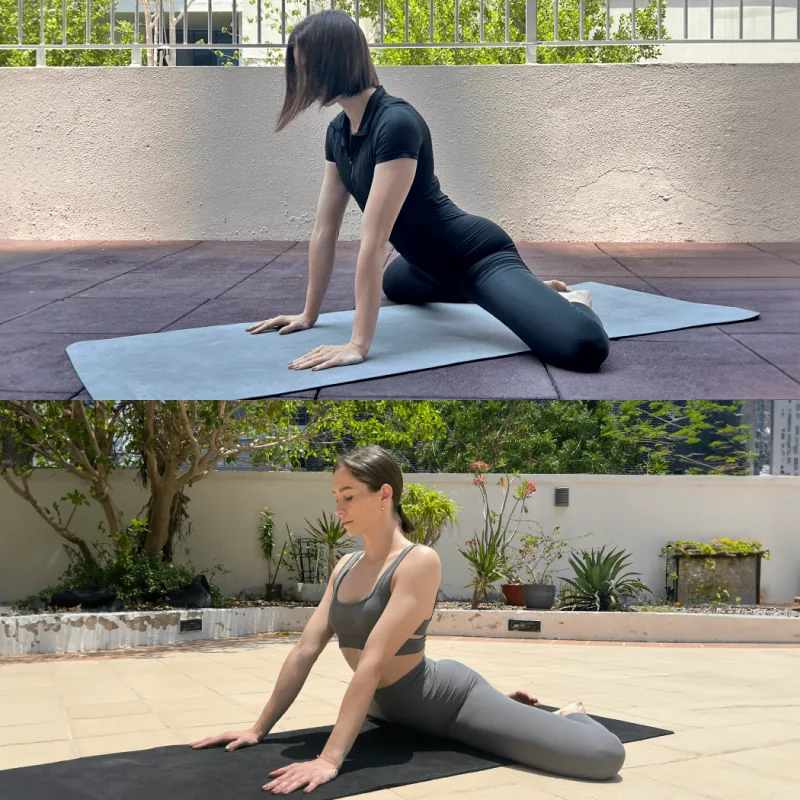
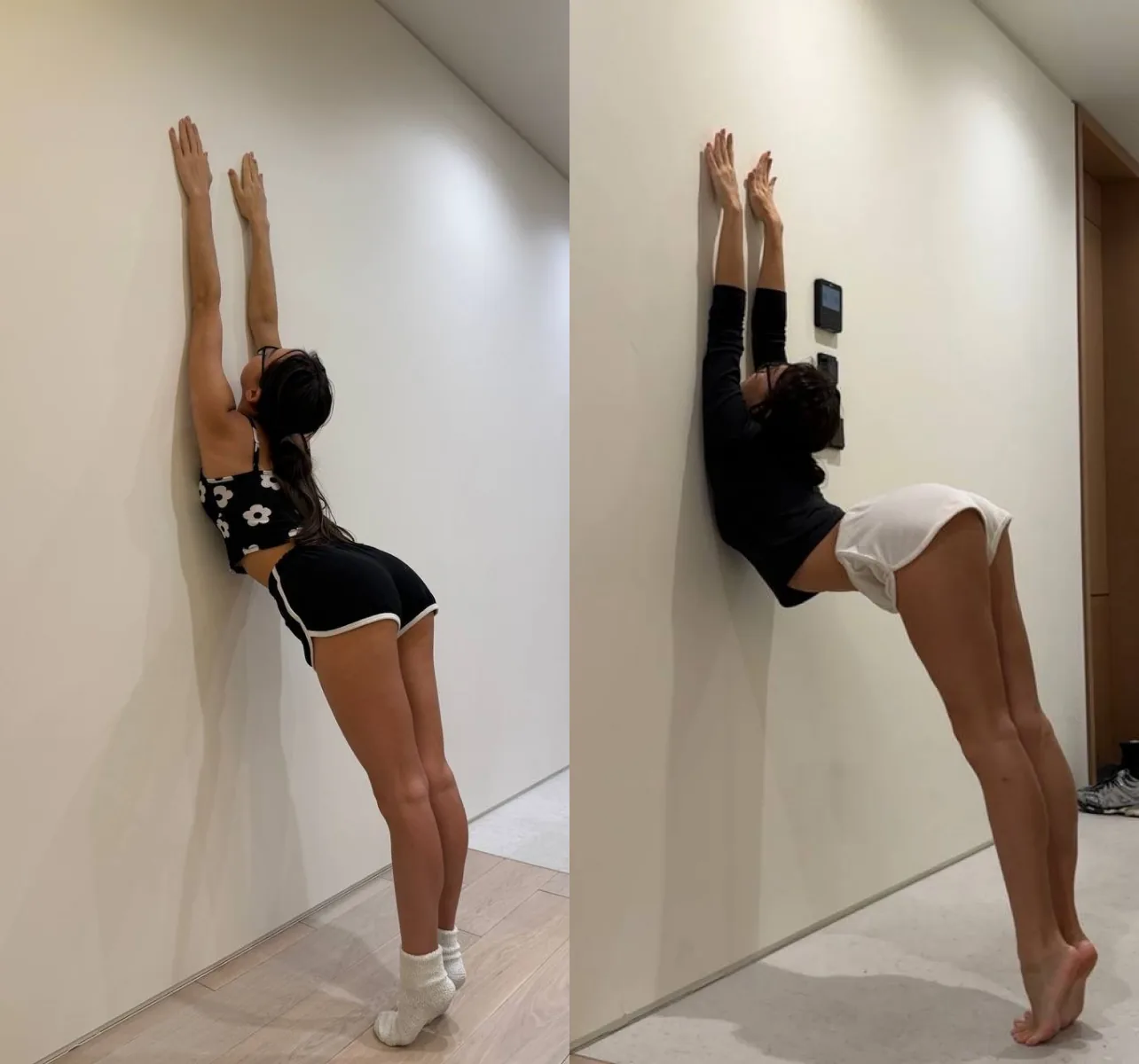
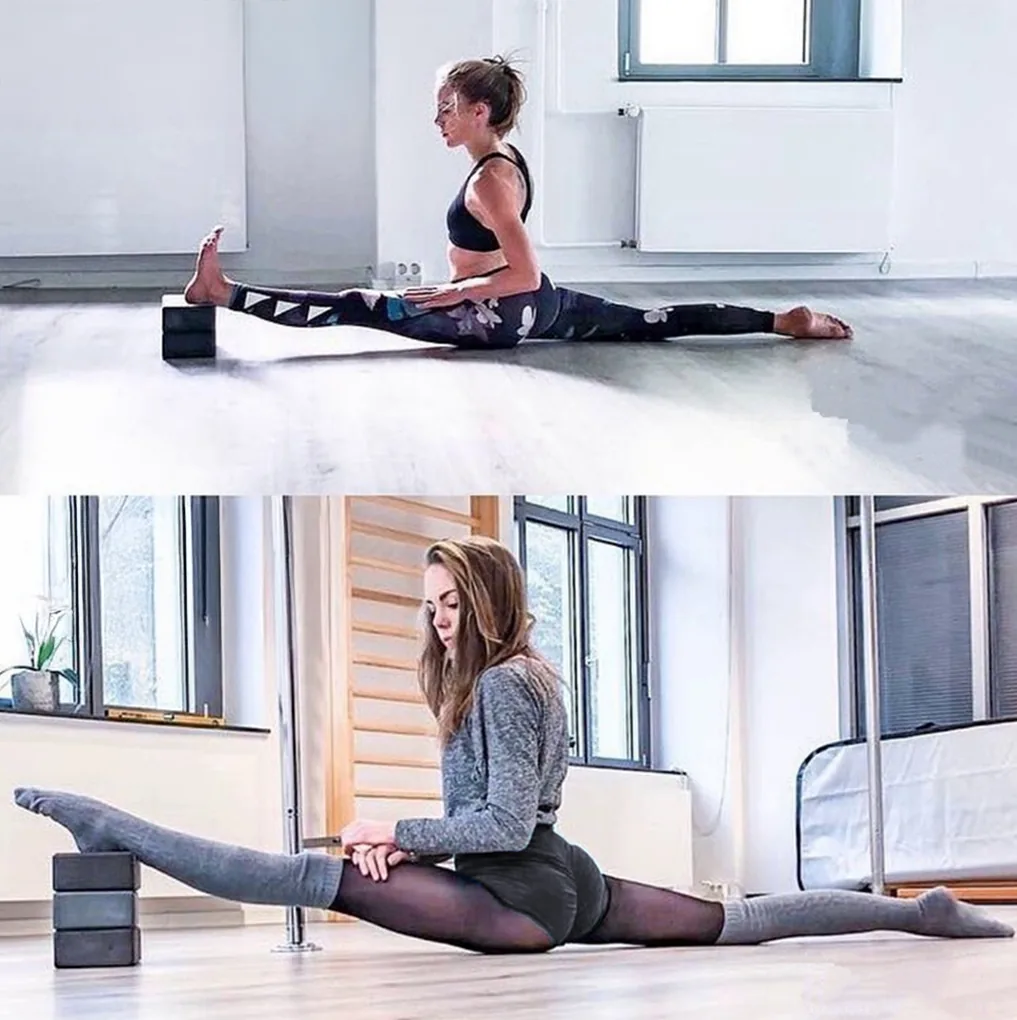
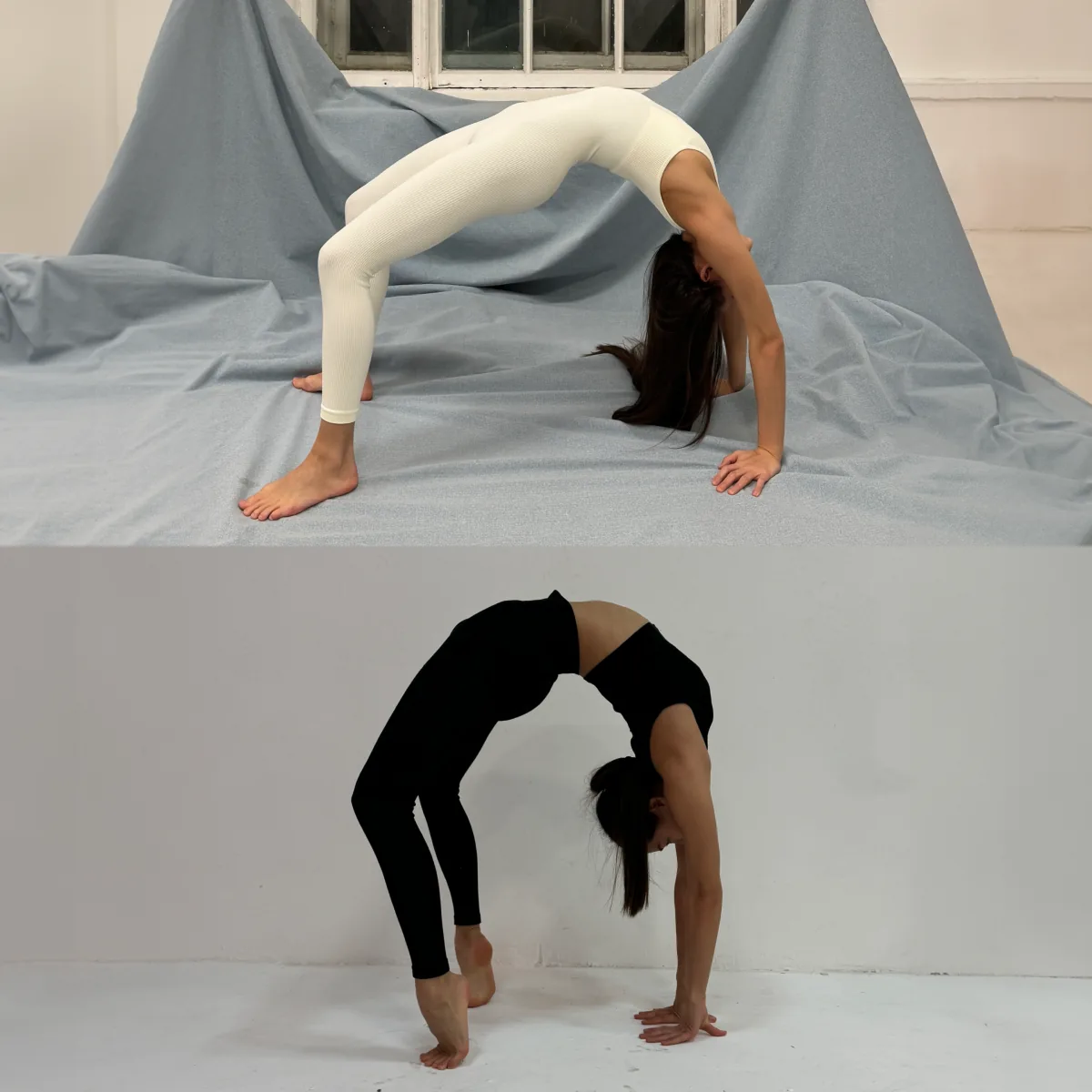
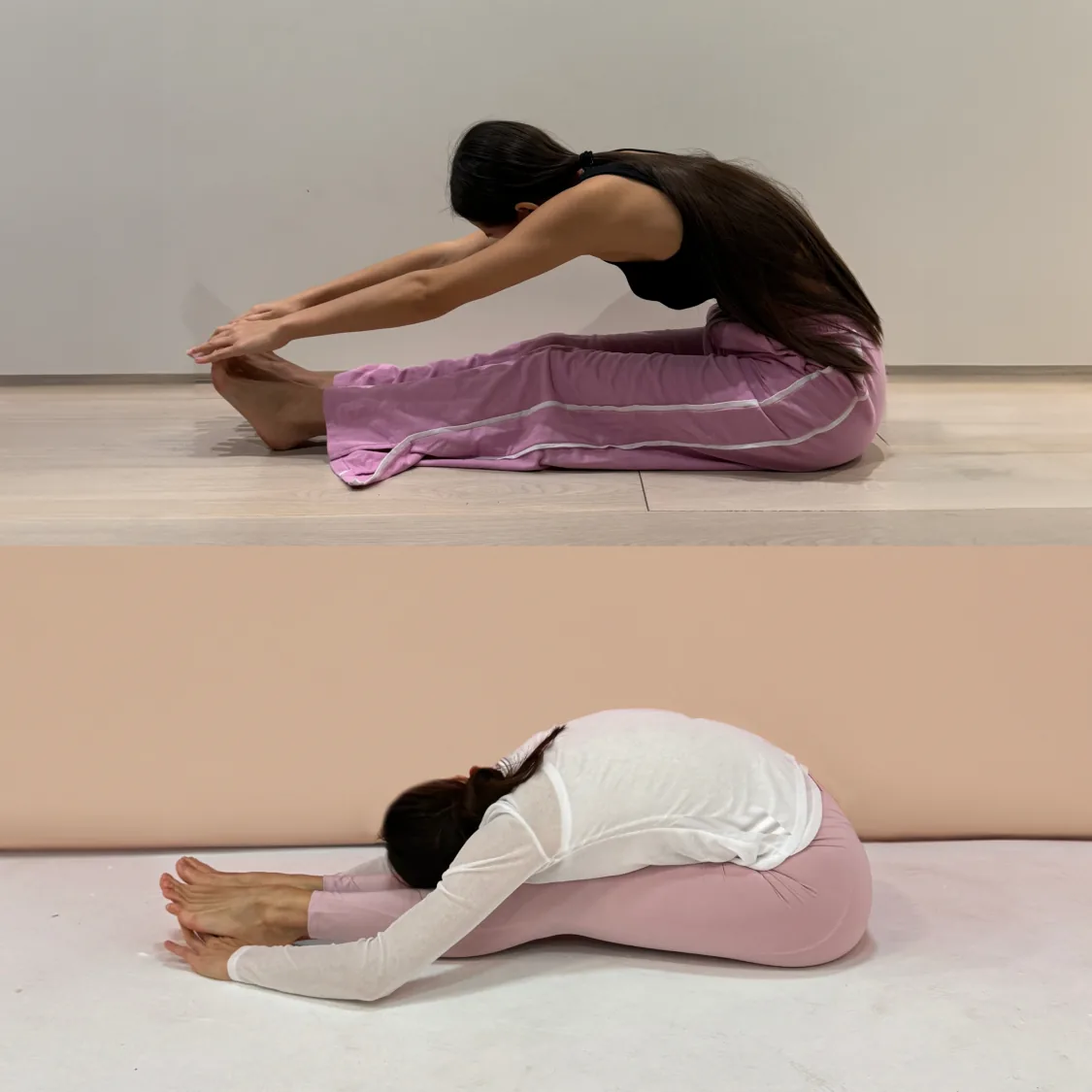
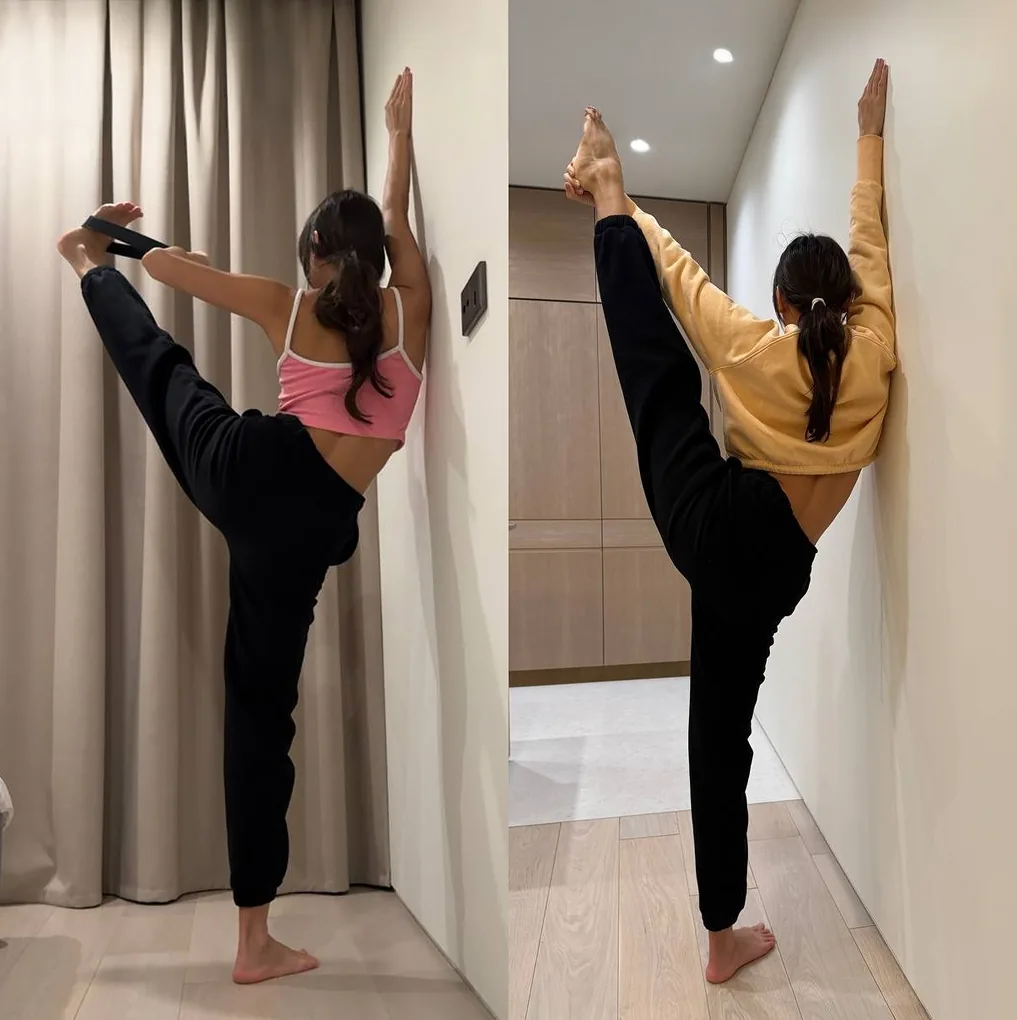
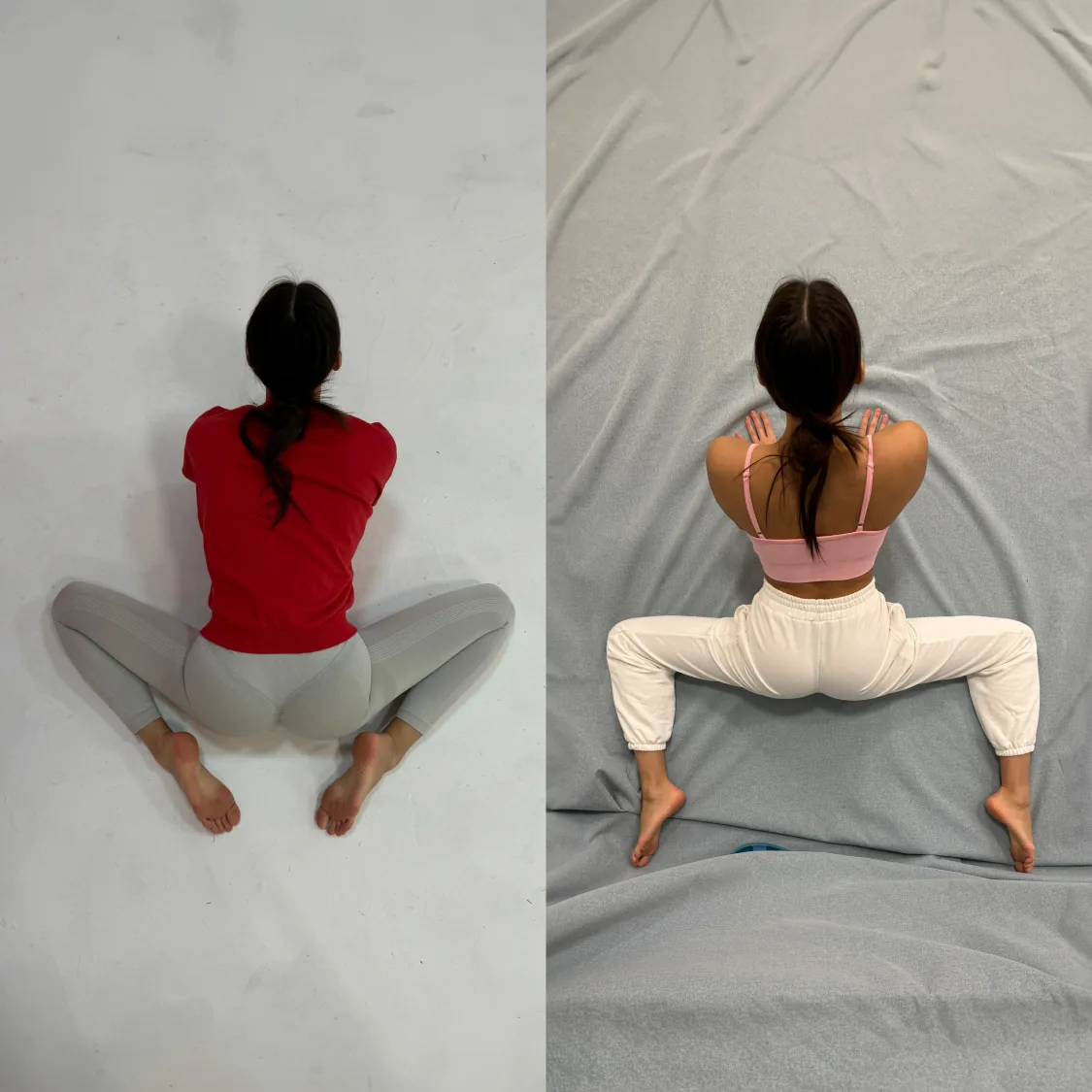
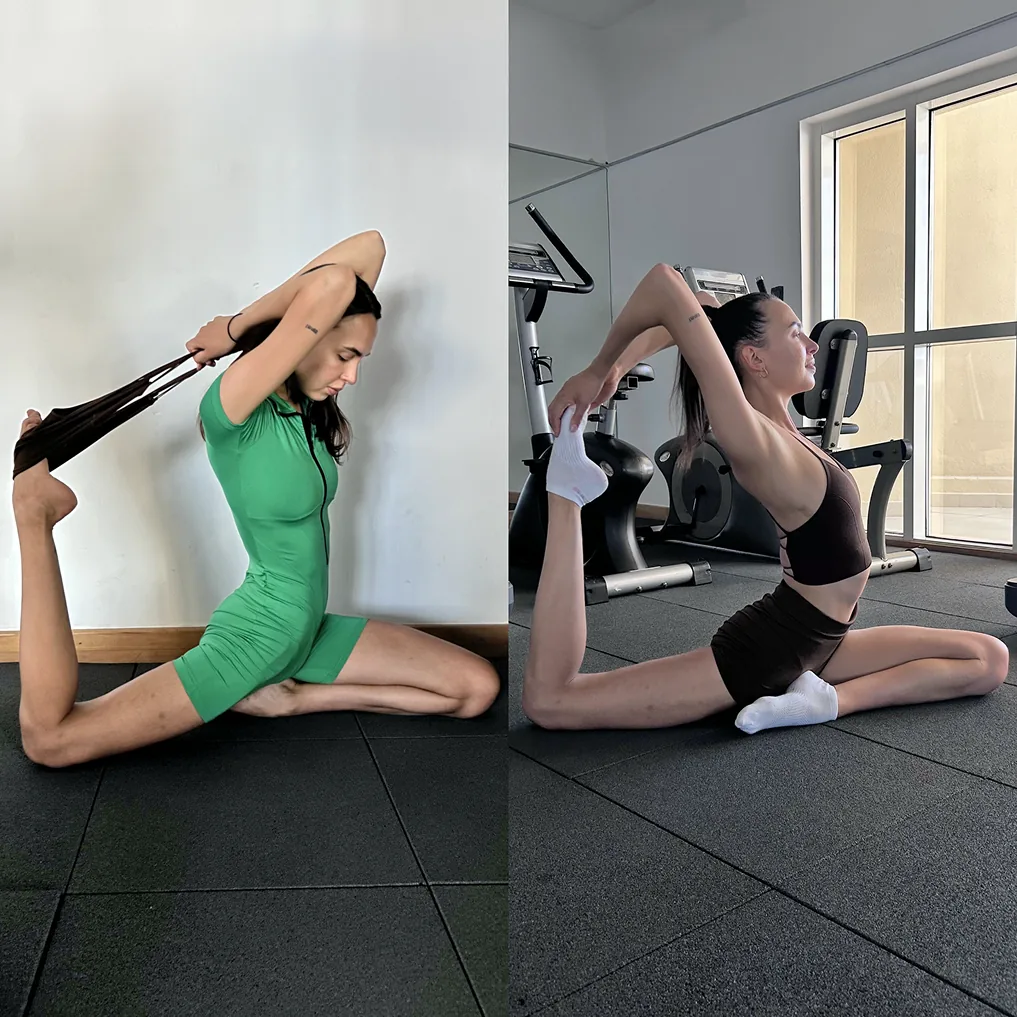
I have tried doing stretches on YouTube, but nothing compares to this app. I love that you can choose a program that targets a certain area, and track your progress. There is a variety of shorter and longer sessions. The stretches themselves feel so good and I can really feel the difference in my muscles. I am naturally very tight, and this sometimes affects my sleep. If I stretch before bed, I have the best sleep of my life! This app has become a daily part of my fitness routine.
STRETCHIT has freed my body up to an amazing degree. Moving is so much more enjoyable. My hips are particularly tight and I can feel the difference in my mental health since beginning to stretch them.
I wanted to try this app because I pinched a nerve in my neck which has caused me a lot of pain. I wasn’t sure I’d use it but after my first 6 min feel good stretch I was hooked. I feel great it’s now day three and I did my first active beginner stretch which actually made me sweat. The app is so easy to use and the instruction is great. Thank you!!
I got this app to be able to get my splits back and be able to dance with higher legs. I’ve been amazed at how much the full body stretch classes just feel amazing. Every time I finish a class I want to keep doing more. I love how many stretches there are that I’ve never seen or done before and how helpful they are. Love it!
Perfect workout! I can really feel the difference from the time I started, and I am practicing seriously only 2-3 times a week. I feel so much better after each session. Even more important, I work and study, so sometimes I sit 12 hours a day, and I can really feel it in my body, especially hips. With the 10 minutes programs with STRETCHIT, I feel as good as new. Give yourself this gift!!! AWESOME!!
Just wanted to say what a great program this is. I’ve been a rugby player/runner/weight lifter for most of my life. At 47 years old - this programming is great for keeping a beat up meathead flexible and limber. Thanks.
I just started this about a week ago. It’s been easy to stick with because every time I do it, I feel immediate relief from my neck & back pain. I’ve been to physical therapists and chiropractor for my pain, so even if I don’t get more flexible (I do see myself getting more flexible with this), it’s worth it to me if it helps me manage my pain at home
Just did my first class! I’m was on my phone & need glasses, but her verbal cues were excellent! The pacing & timing were a wonderful way to begin my day and she offers adjustments for each exercise. I’d recommend this for anyone from absolute out-of-shape beginner on up!! I’m 60 & working on mobility. Thank you!!
Watch daily stretching videos
New stretching classes for flexibility, mobility and health are released WEEKLY. Appropriate for absolute beginners, beginners, and intermediate/advanced



Stretching increases serotonin levels and reduces muscle tension which helps to keep stress and anxiety at a minimum
Regular stretching helps alleviate neck, back, and other body pains. When employees are not distracted by discomfort, they can concentrate better on their tasks.

