.png)


Terms and Conditions of Service
Overtraining happens when you push yourself too far while you train and don’t give your body enough time to recover. From an anatomical perspective, when you workout (run, lift weights, stretch, etc.) you create tiny micro-tears in the muscles. The bigger the tears, the more sore you’ll feel after, and the longer you’ll need to recover.

Common signs of overtraining are:
- Extreme soreness - it’s ok to feel sore after a workout, but you shouldn’t be in pain.
- Fatigue that continues even after you rest.
- Injuries - injuries happen to everybody involved in fitness activities, but a more often occurrence of injuries might be a sign of overtraining.
- Irritability, burnout, depression.
- Decreased fitness performance - you might not be able to perform the required amount of reps or even finish your workouts.
As you begin your flexibility training, you might become excited to speed up your progress. It’s important to remember though that flexibility takes time. Pushing yourself into positions your body is not ready for will slow down your progress in the long term. Extreme soreness will hold you back from moving forward in your training or even result in an injury. Therefore, it’s important to take care of your body and remember that progress takes time!
1. Rest, rest, rest, and rest!
Give your muscles time to recover and rebuild after your training. If you experience any of the signs mentioned above, take a break and don’t train till you feel better. It’s important to distinguish between self-love and discipline. Pushing yourself to train when you feel lazy is good for your body, training when you can hardly move - not so much.

2. Switch up your routine
Don’t do intense workouts targeting the same muscle group every single day. Instead, switch up your routine. Stretch your front splits on Monday, focus on backbends on Tuesday, enjoy a recovery full body stretch session on Wednesday and stretch your middle split on Thursday. This way you’ll keep moving and progressing without exhausting your body.
3. Tale down intensity of your training
Don’t go 110% every time you train. Mix 15, 30, and 45 min sessions and the training intensity. You should not feel completely incapacitated after your training. If it happens, learn from it, rest and take down the training intensity next time you workout. Remember that balanced training will help you achieve results safely and efficiently.
4. Get more sleep
A good night’s rest is key! Having a good sleep schedule will help our body’s ability to recover from intense workouts overnight. Experts recommend sleeping at least 8 hours a night. I personally need more sleep when I train intensely. We know that life gets in the way and we often have to cut our sleeping hours, but resting at night should be a priority if you want to live a happy and healthy life.

5. Drink water and keep a healthy diet
Nutrition plays a key role in our training and our body’s recovery time. Eat healthy foods, drink plenty of water and make sure your body is getting all the proper nutrients it needs. Keeping a healthy lifestyle will positively impact your training and speed up your flexibility progress.
6. Introduce body work
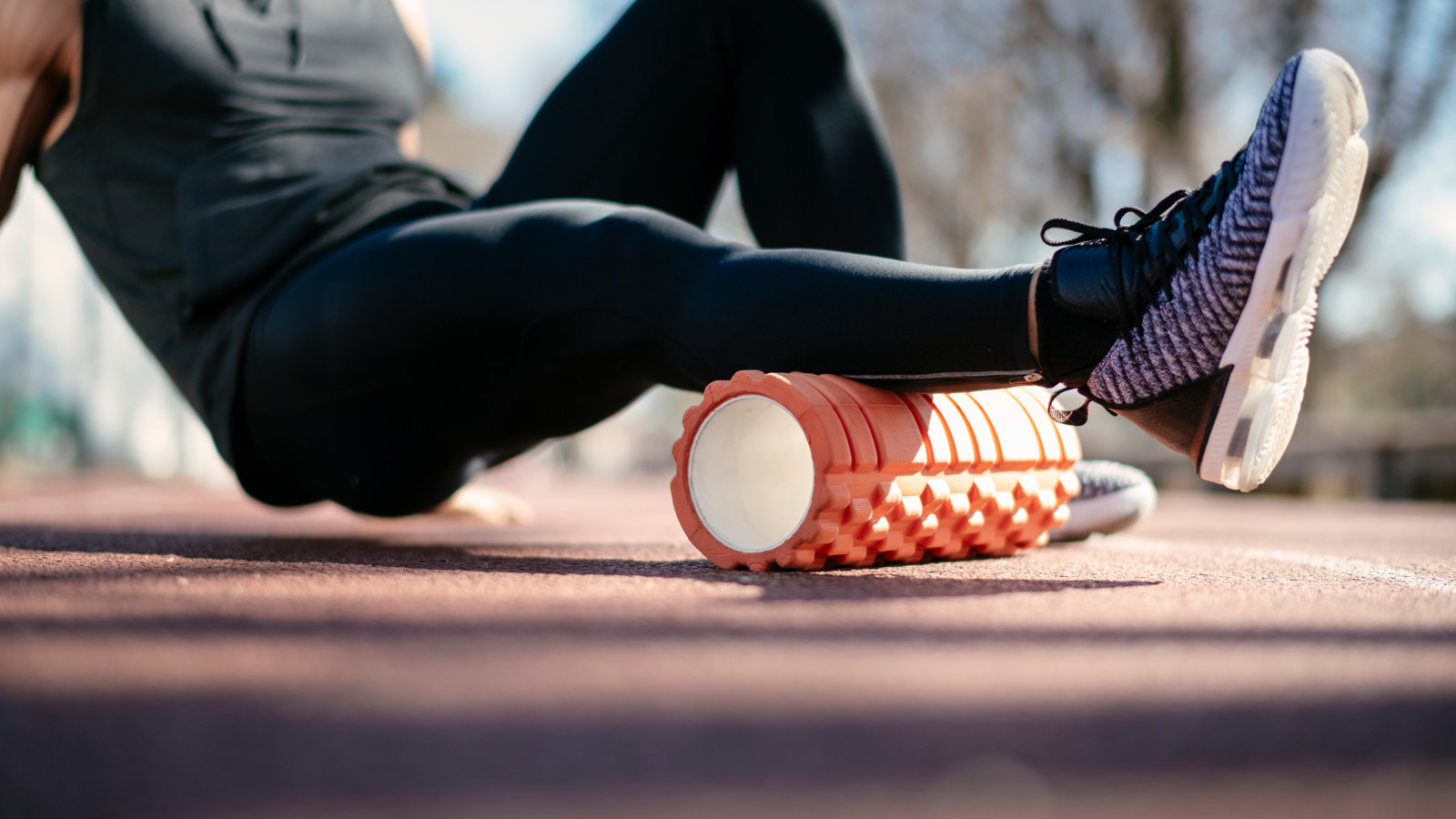
Sometimes our body needs some extra help, such as foam rolling, massages, hot baths, and acupuncture. Treatments like these can help increase your blood flow and speed up your muscle repair time.
The bottom line: always listen to your body. Don’t beat yourself up if you need to take your training down a notch - just make sure you only challenge your body as far as it feels safe. Remember, progress takes time and everyone’s body is different. Try out some of these recommendations to get through overtraining and you should be on the road to success. Good luck and happy stretching!