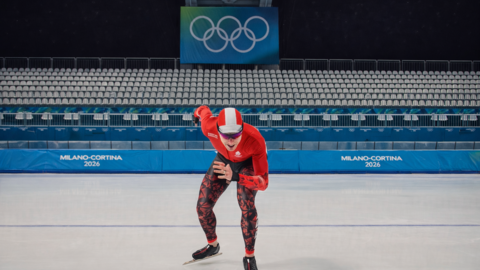
.png)


Winter Stretching Tips: Stay Loose When It’s Cold Out

Cold mornings. Shorter days. Less movement between workouts.
Winter has a way of making even active bodies feel stiff and unresponsive. Muscles take longer to warm up, joints feel tighter, and movements that felt easy in summer suddenly require more effort. This doesn’t mean your body is “getting worse.” It means the conditions around it have changed.
Cold weather affects how tissues behave, but it also changes how we move day to day. We walk less, sit more, and often rush into workouts without fully preparing the body. Over time, that combination creates stiffness that feels inevitable, but it isn’t.
With the right approach, winter can be a season of smarter movement rather than restricted movement.
Why Your Body Feels Stiffer in Winter
Lower temperatures influence both your muscles and your nervous system. Cold tissues are less elastic, joint lubrication takes longer to increase, and the body naturally becomes more protective. That means it resists sudden or forceful ranges of motion until it feels safe to move.
On top of that, winter usually brings fewer casual movements. Fewer walks, fewer posture changes throughout the day, and longer periods of sitting indoors all reduce the small, natural mobility your body relies on.
The result is a body that isn’t injured, but underprepared. When movement finally happens, everything feels tighter because nothing has been gently warmed or reminded how to move.
This is why winter stiffness isn’t a flexibility problem. It’s a preparation problem.
Winter Stretching Is About Warming and Preparing, Not Pushing

In colder months, stretching shouldn’t be about forcing deeper ranges or chasing sensation. Cold tissues don’t respond well to aggression. They respond to gradual movement.
Winter stretching works best when it focuses on warming tissues first, restoring joint motion second, and only then exploring range. This helps the nervous system feel safe enough to allow movement instead of resisting it.
That’s also why stretching cold muscles first thing in the morning often feels uncomfortable or ineffective. The body simply isn’t ready yet.
A better approach is to move first and stretch second.
Even a short, gentle full-body warm-up can completely change how your body responds. Classes like this Full Body Class are designed exactly for this purpose: to raise body temperature, wake up joints, and prepare you for whatever movement comes next, without rushing or overloading the system.
Why Warm-Ups Need More Time in Winter
In summer, your body is often halfway warmed up before you even start training. In winter, that’s rarely the case.
Warm-ups in cold weather need to be slower, longer, and more intentional. Joint-focused movements, controlled ranges, and gradual increases in intensity help the body transition safely from stillness to effort.
This isn’t wasted time. It’s what allows workouts to feel smooth instead of stiff. Many people notice that winter training feels harder not because they’ve lost strength, but because they haven’t adjusted how they prepare.
Short mobility-focused sessions before training, or even on rest days, help maintain movement quality throughout the season. Gentle full-body classes are especially useful on days when motivation or energy is low but movement is still needed, like this Full Body class that helps reset your body in just 10 minutes.
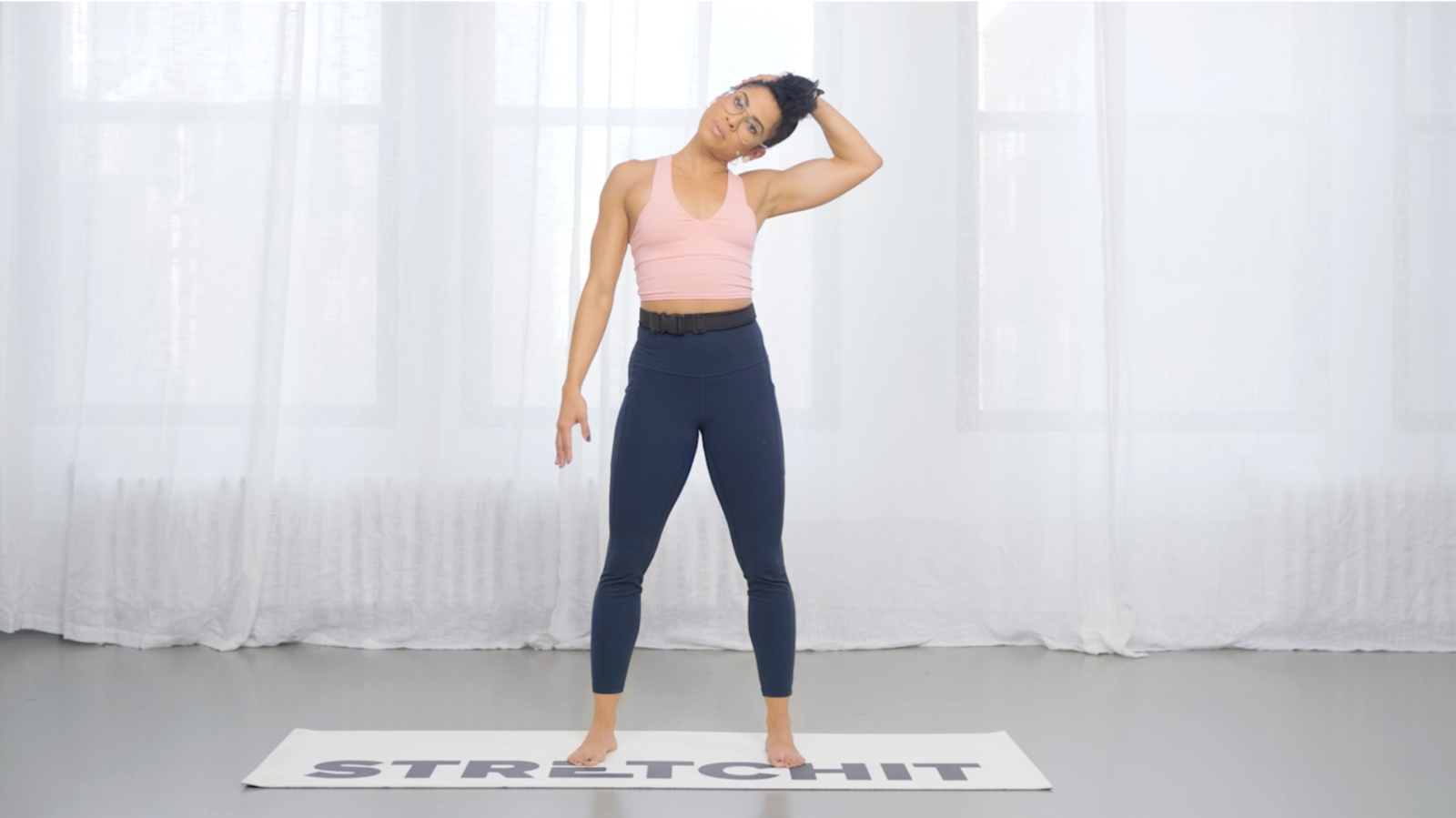
Why Stretching After Training Matters More in Cold Weather
Cold weather encourages the body to stay tense. Without a proper cooldown, that tension can linger long after training ends.
Post-workout stretching in winter isn’t just about muscles. It helps shift the nervous system out of a high-alert state and into recovery. Slower movements and steady breathing signal safety, allowing the body to release tension more fully.
This becomes especially important in the evening, when colder temperatures and accumulated fatigue can interfere with sleep and recovery. Recovery-focused sessions, like those in STRETCHIT’s recovery classes, support this downshift and help the body reset between training days.
Winter recovery isn’t optional. It’s part of staying consistent.
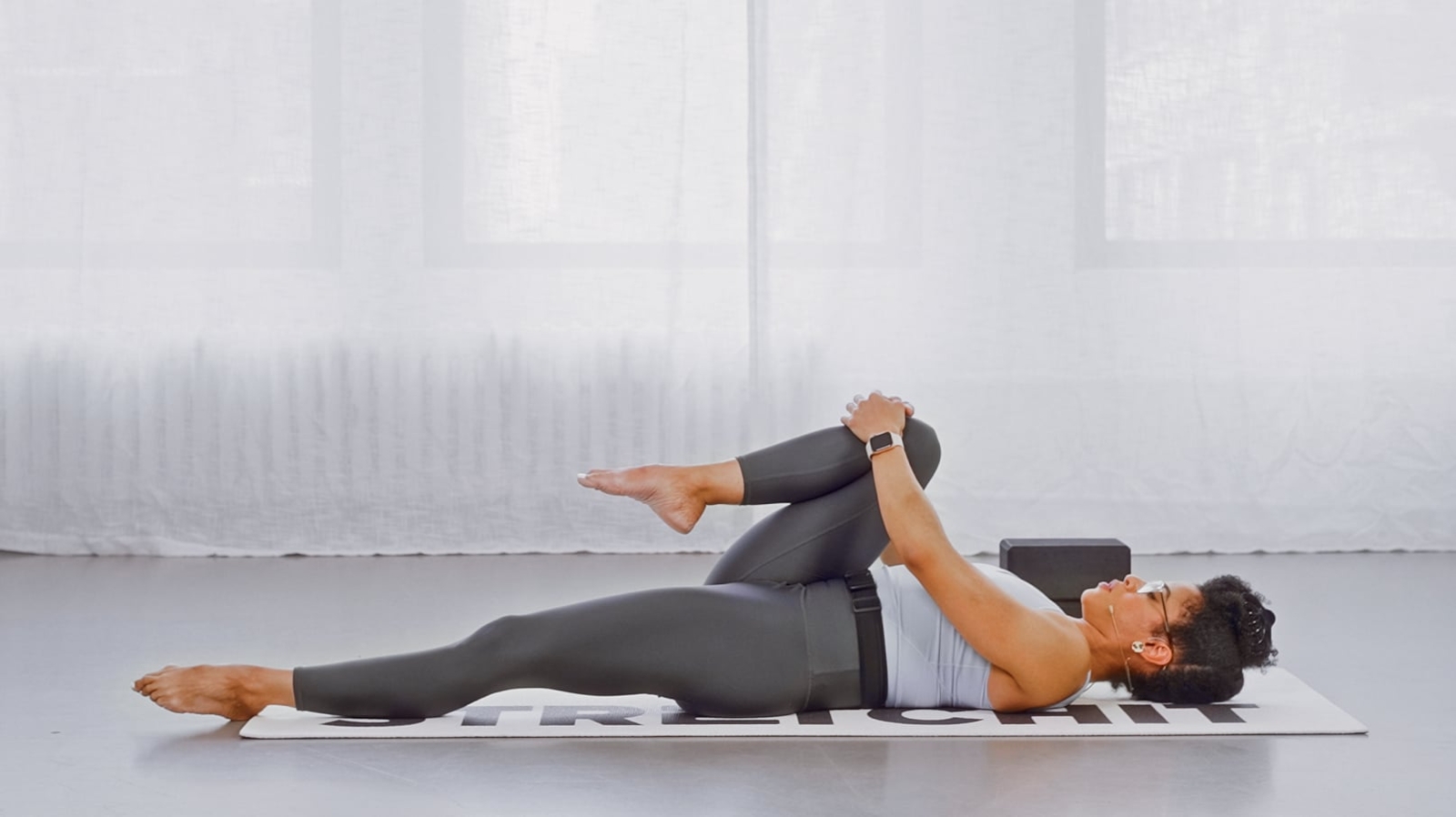
Small Daily Movement Makes the Biggest Difference
You don’t need long sessions to stay loose in winter. In fact, short, regular movement often works better than occasional deep stretching.
A few minutes in the morning, a brief mobility break during the day, or a gentle unwind session in the evening can prevent stiffness from building up. Consistency matters far more than intensity during colder months.
Winter isn’t about doing more. It’s about doing enough, more often.
The Takeaway
Feeling stiffer in winter is normal. Staying stiff isn’t.
Cold weather changes how your body responds to movement, but adjusting how and when you stretch keeps you mobile, resilient, and ready to train. Longer warm-ups, gentler preparation, and more intentional recovery go a long way.
Winter isn’t the season to push harder.
It’s the season to move smarter.
And when spring arrives, your body will be glad you did.